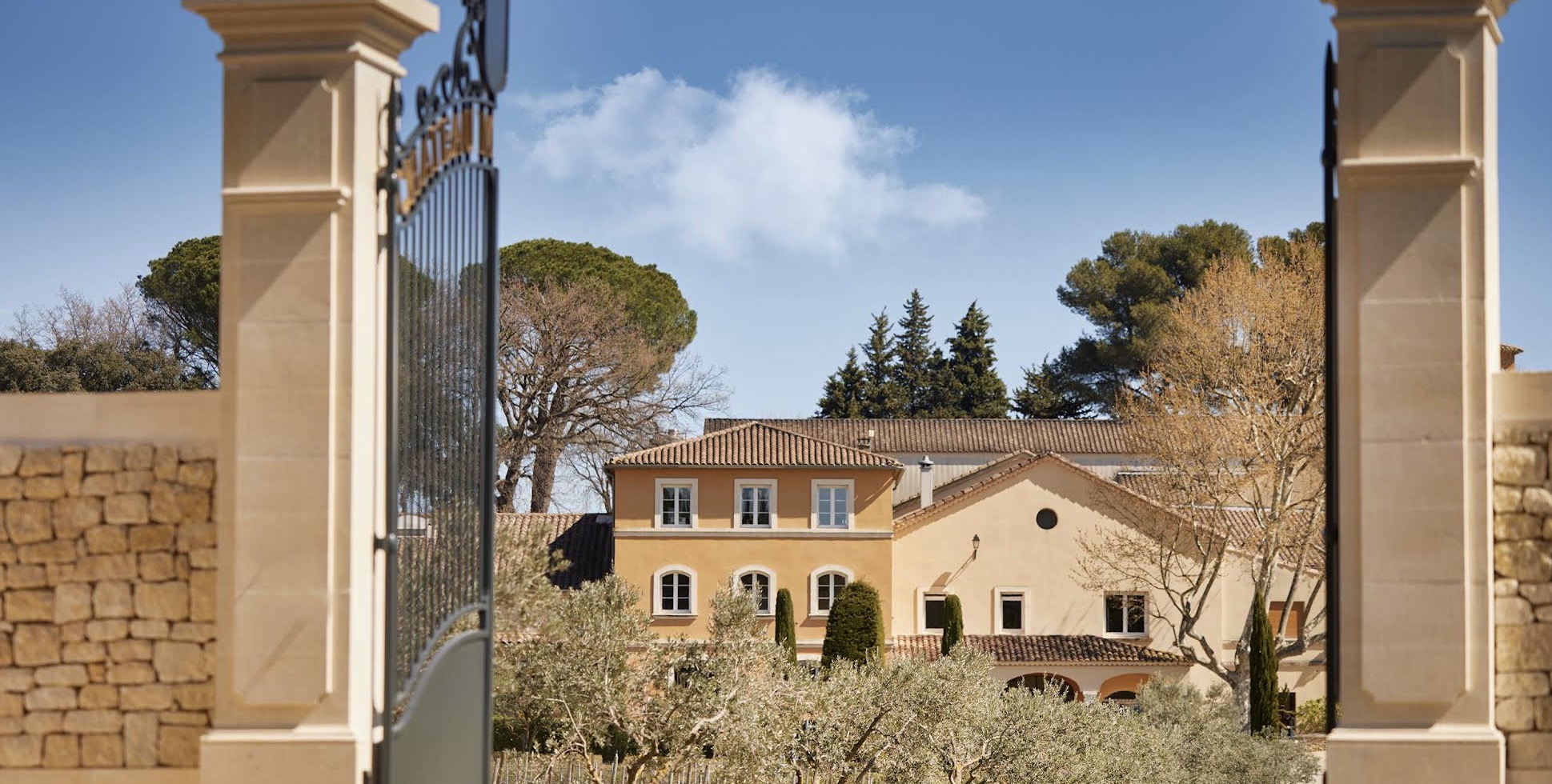
"A haven of peace, with breathtaking views," tucked among the vines
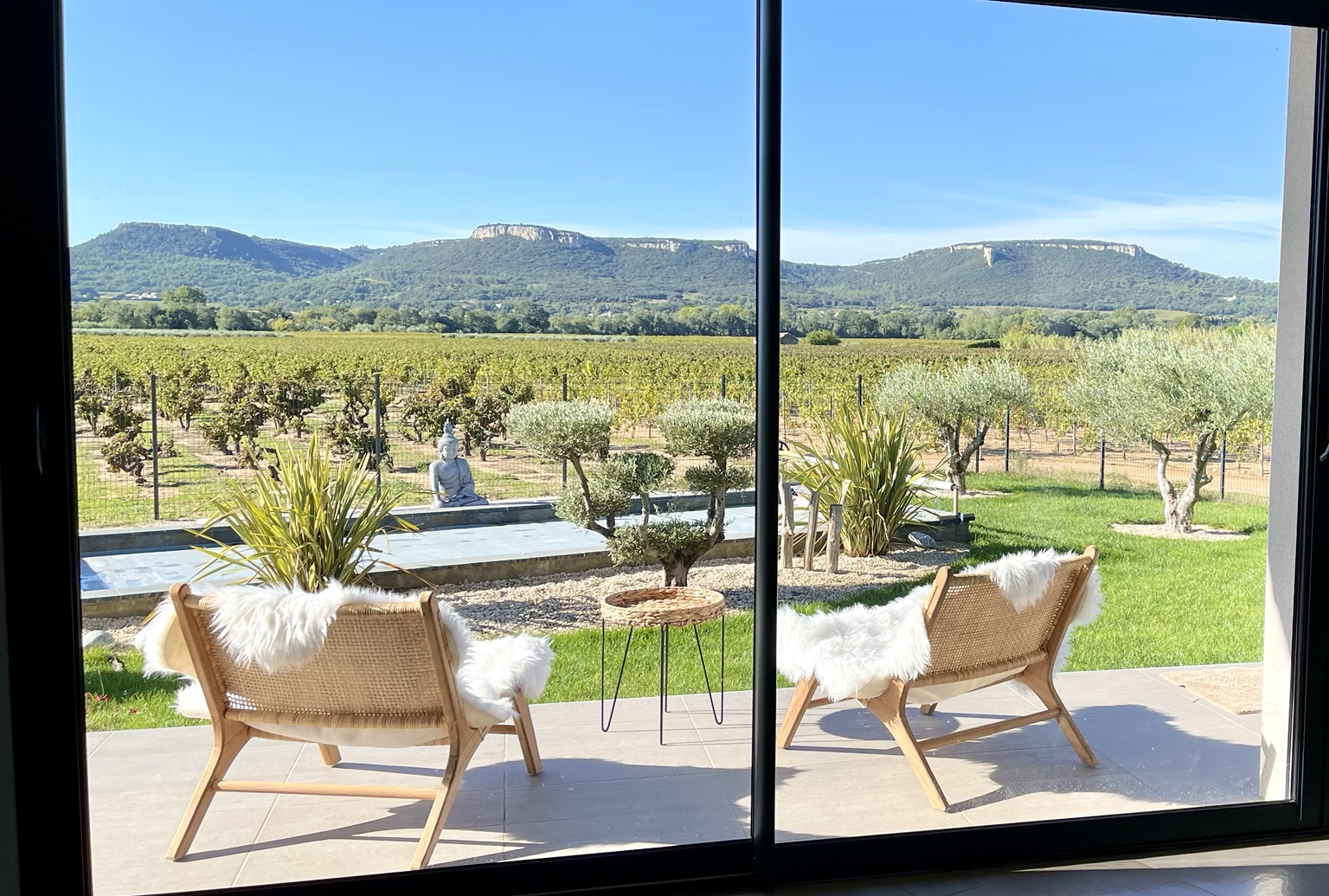
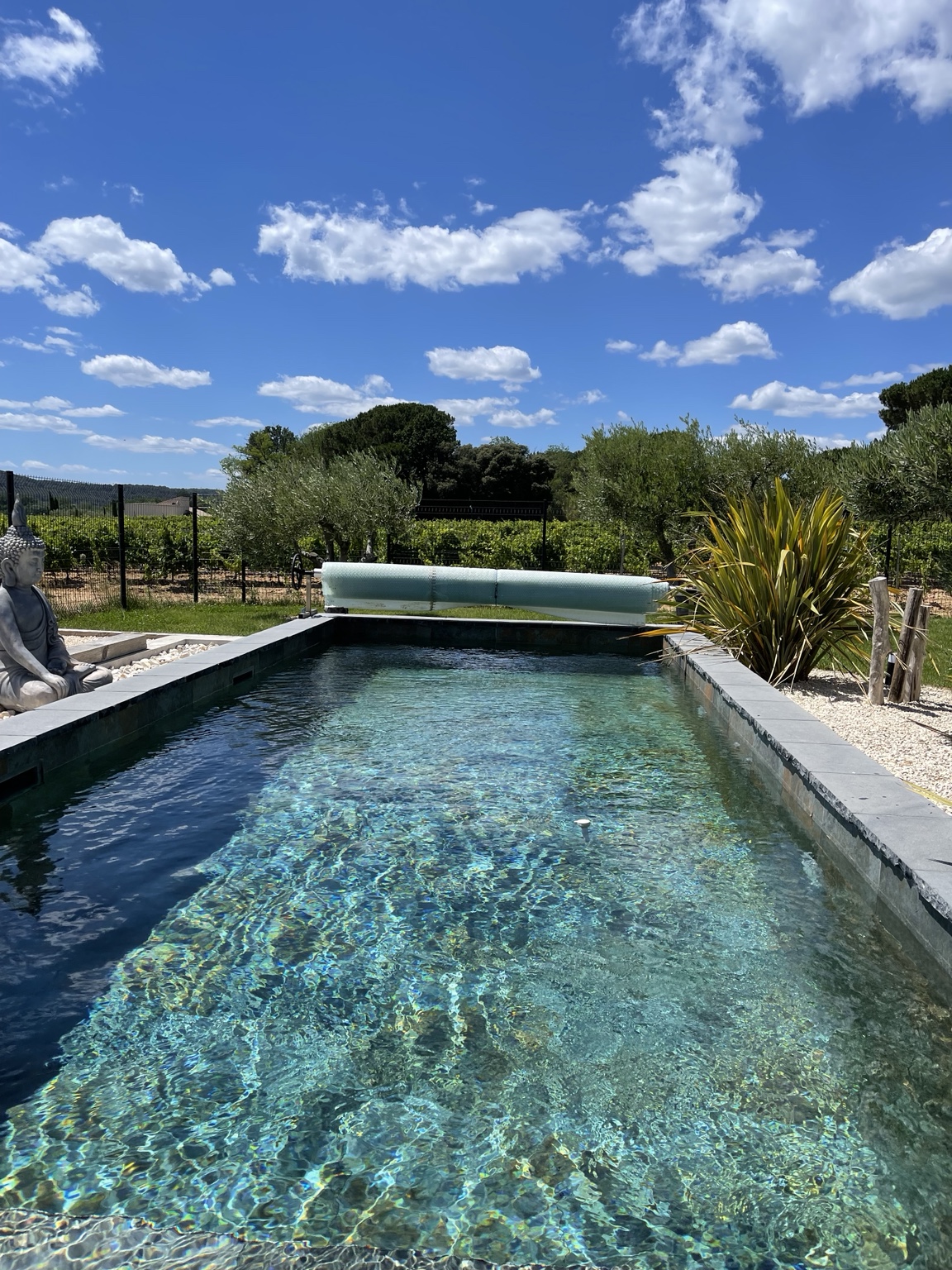
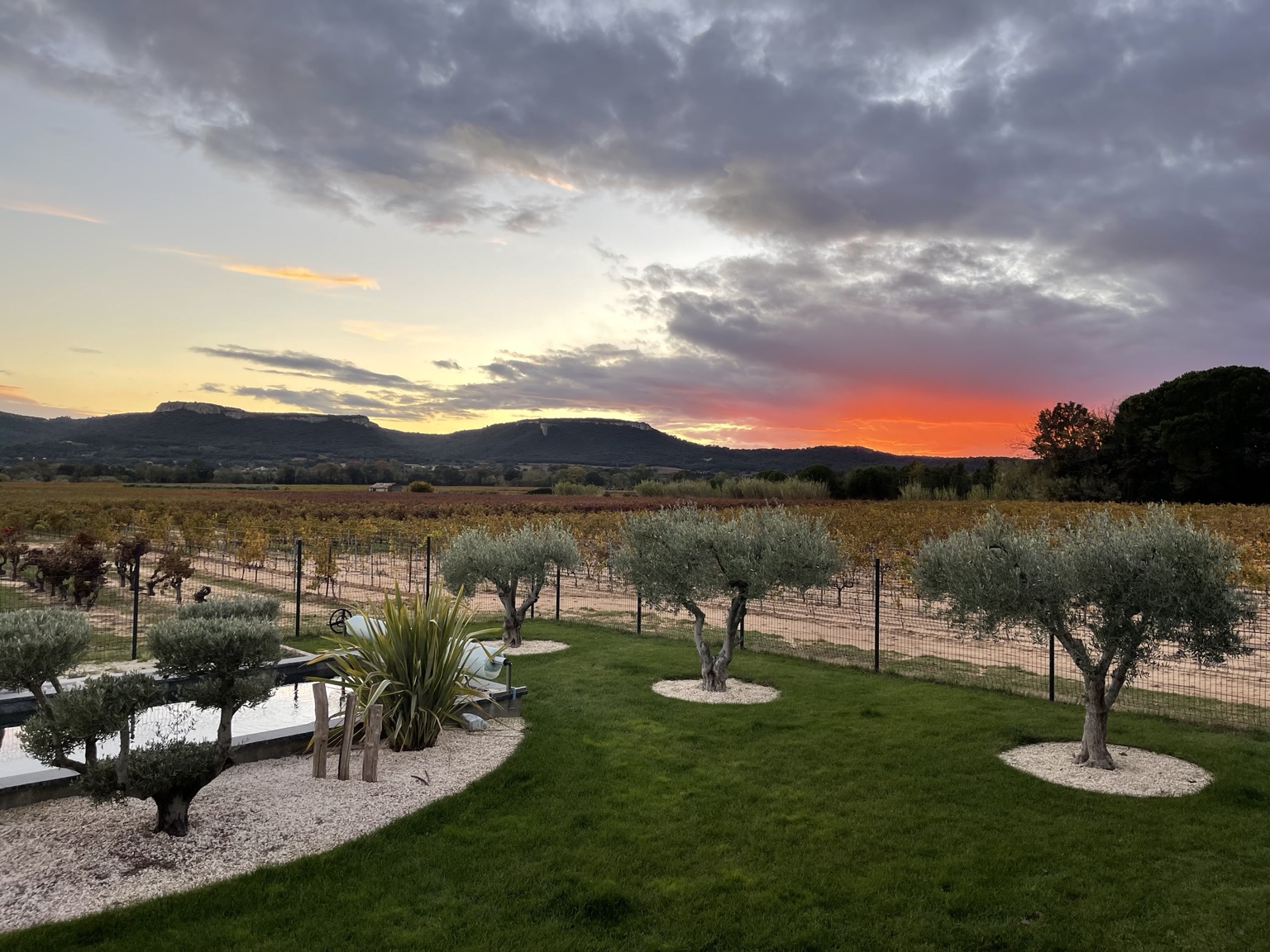
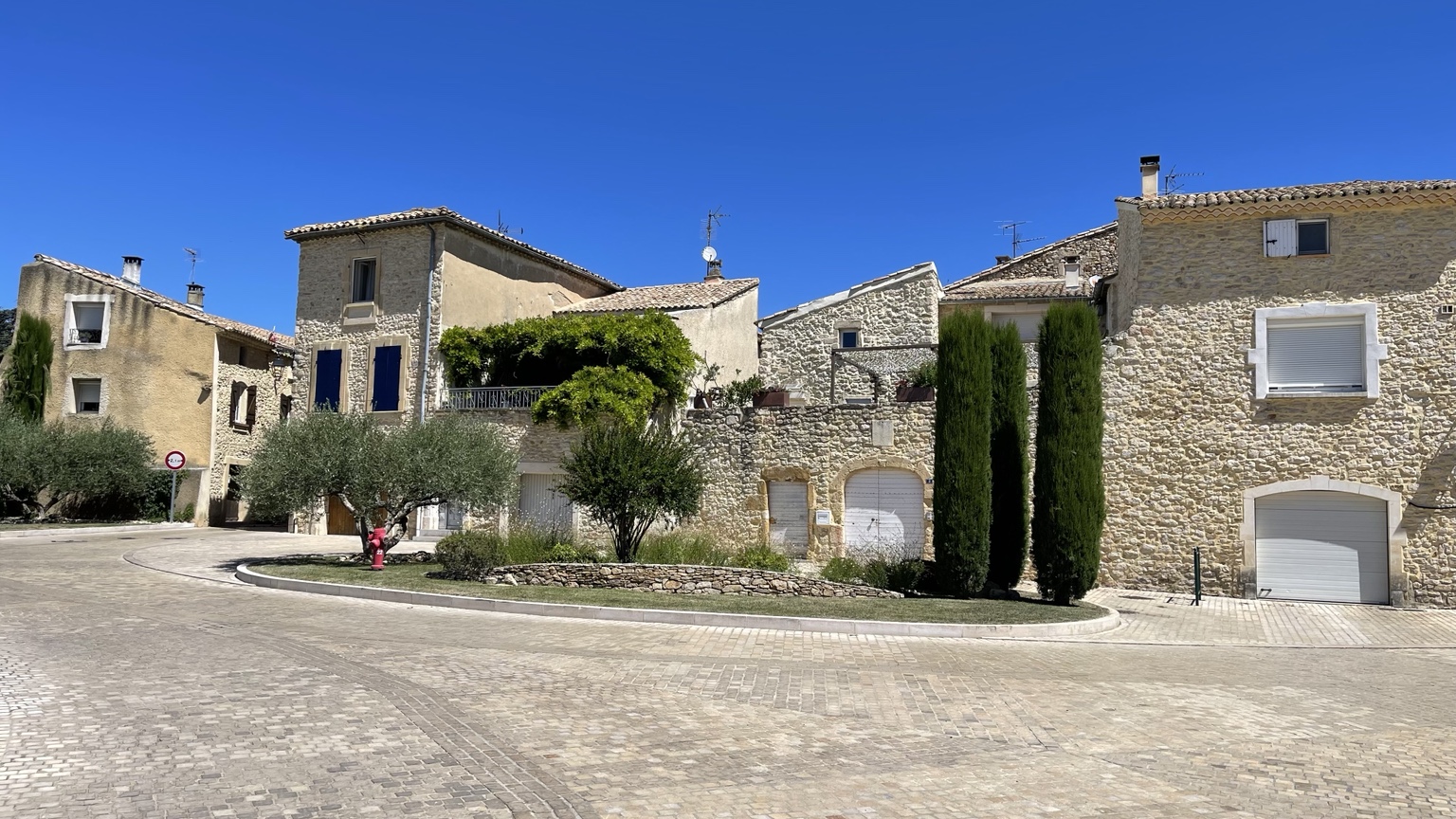
Tucked among the vines in Chusclan, a charming village in the Provençal Gard, this three-bedroom house enjoys an unobstructed, spectacular view over the peaceful Camp César plateau from its private Balinese-style pool — an idyllic setting for an unforgettable stay.


The house has a spacious, light-filled living room with a fully equipped open kitchen, which also enjoys an unobstructed view over the surrounding countryside. The three comfortable bedrooms are ideal for families or groups of friends.
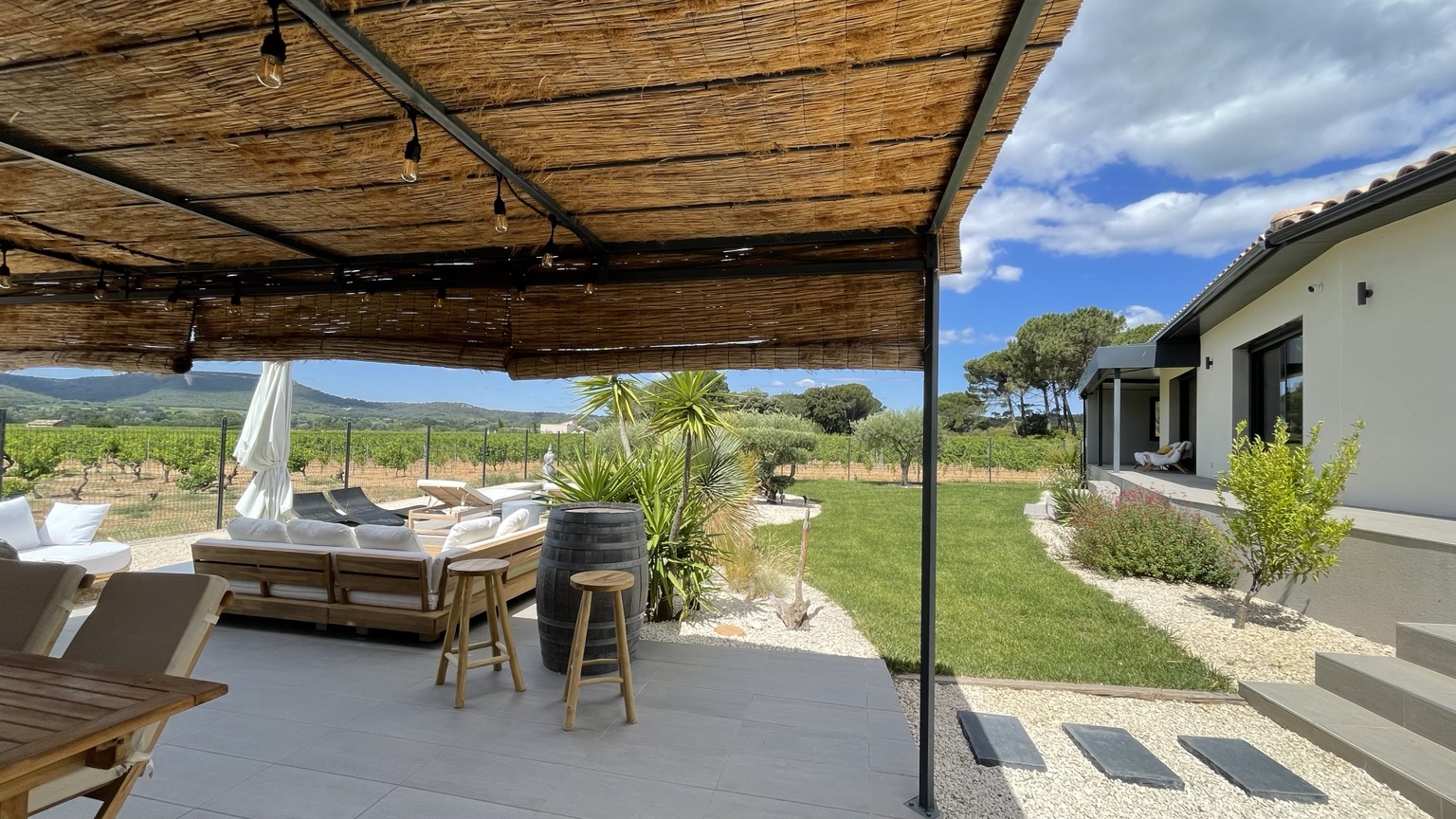
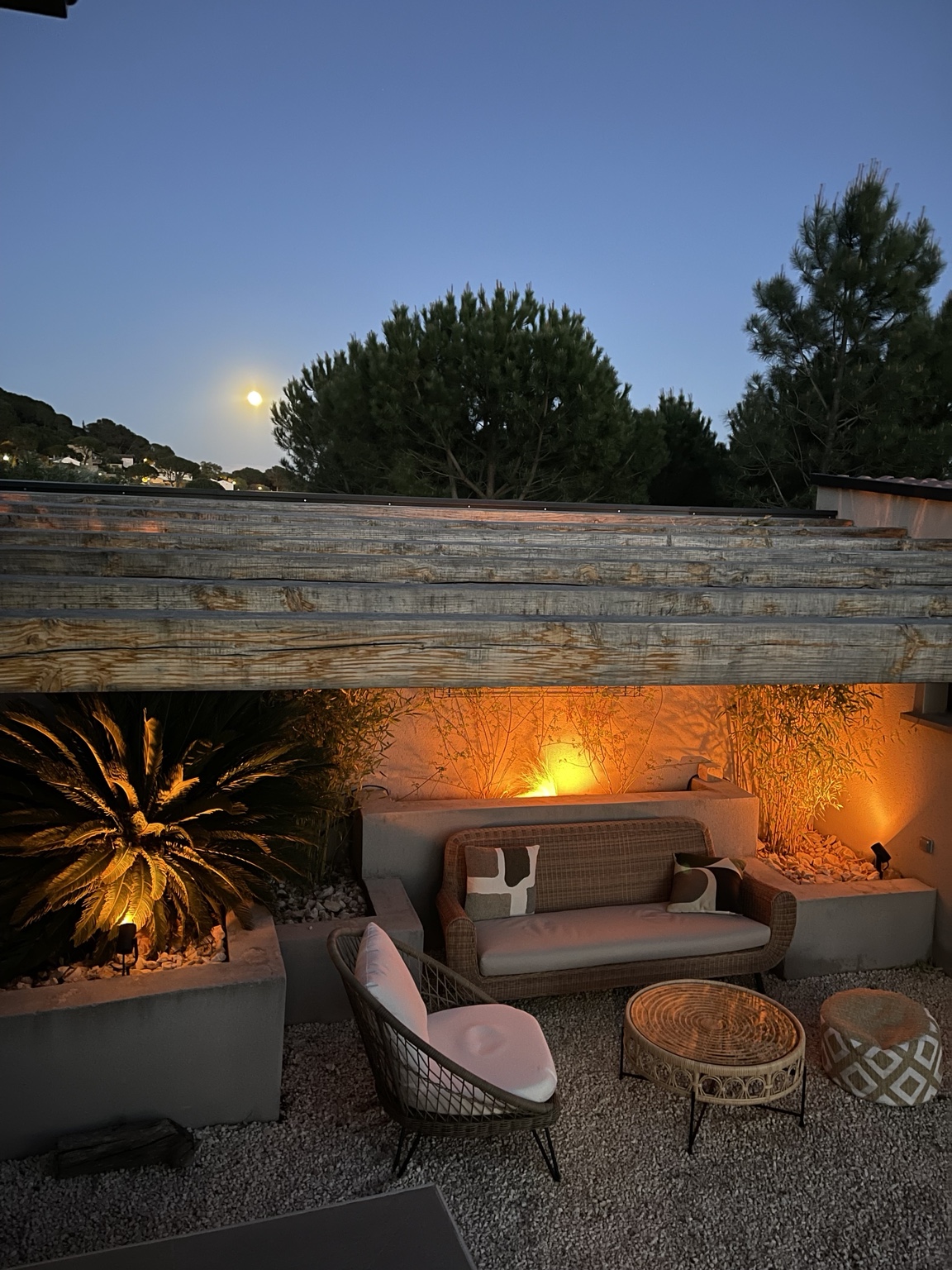
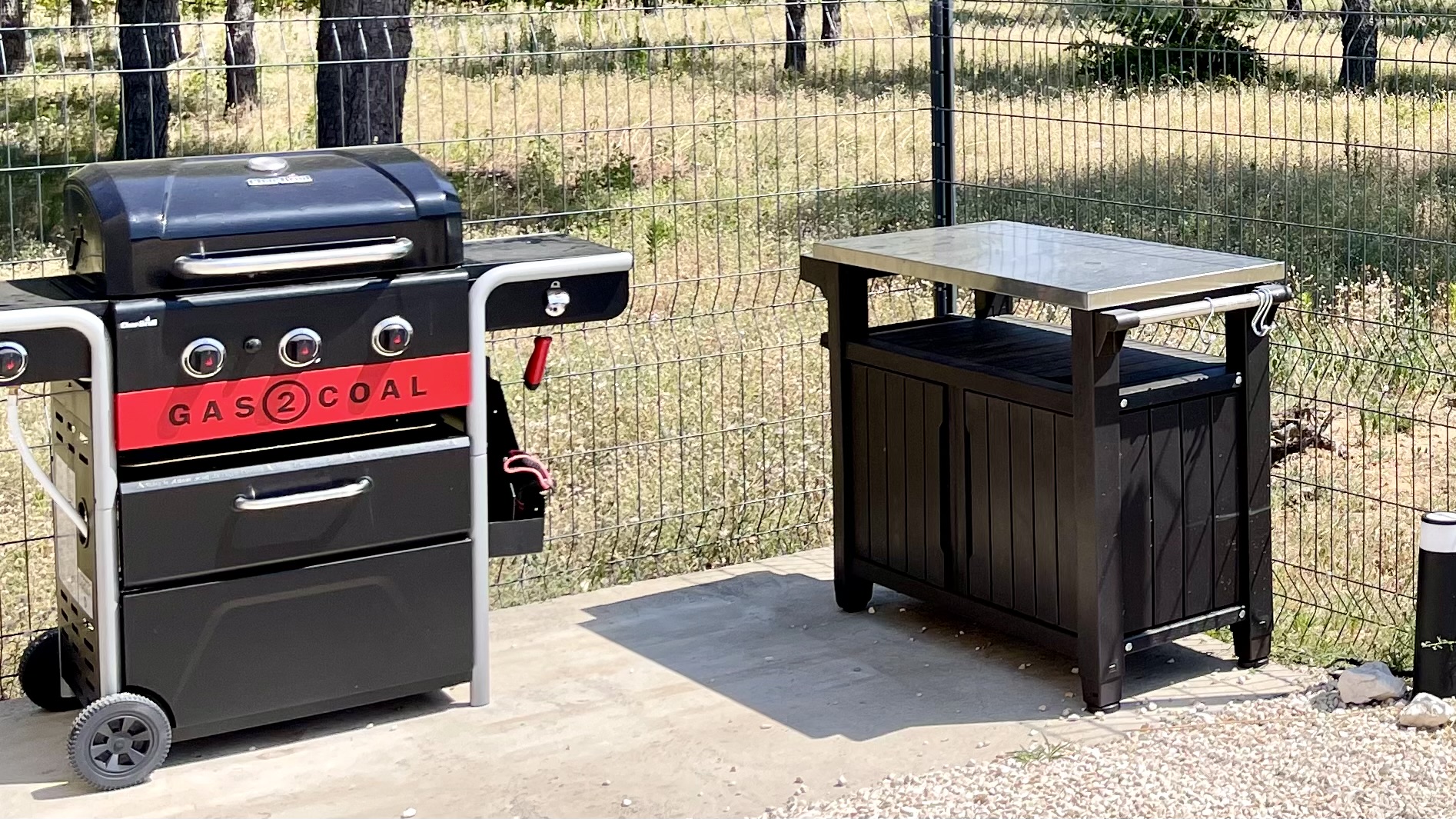
The garden has an outdoor kitchen with an American-style fridge, a barbecue, and a patio with garden furniture. Relax on one of the loungers by the Balinese-style pool — plus a ping-pong table, table football and two bicycles.
Hiking trails leading straight from the house take you up to Château de Gicon, with its breathtaking panoramas. You're also close to the Rhône Valley wine route, canoeing on the Cèze or the Ardèche, and some of the "Plus Beaux Villages de France."
Ordered roughly by distance, nearest first. Every one of these is small — book, especially in August.
Open-air tables on the bank of the Cèze, easy and unhurried — a seasonal pop-up that runs through the summer only. This is the local rhythm, not a destination restaurant, and that is exactly the point.
Pair it with a wander through the old centre of Chusclan, and a tasting at Maison Sinnae opposite the campsite — you can't miss it.
Up on the hillside above the village, at the end of a lane through the vines. The terrace looks down over the rooftops of Chusclan and out across the plain towards Marcoule and the Rhône — on a clear evening it is the finest view you can eat in front of anywhere near the house. A family has run it since 1994: he cooks, she runs the room, and both plainly enjoy it.
Semi-gastronomic Provençal cooking from fresh local produce, on a deliberately short menu — two starters, two mains, three desserts — which is usually the sign of a kitchen that means it. The wine list is built around growers from the surrounding villages. There is a pool and a few rooms as well, useful if friends join you and the house is full.
Book — the room seats about fifty and it fills. Evening service is occasional and varies through the season, so ring before planning dinner rather than turning up.
Gastronomic cooking at everyday prices, and our own favourite of this list. Chef-owner Richard Durand has held a Bib Gourmand in the Michelin Guide since 2021 — the distinction reserved for serious kitchens that keep their prices modest, which describes this place exactly. The daily menu runs at around €28.
Son and grandson of bakers, born just up the road in Bagnols-sur-Cèze, he cooked in England, the United States, Germany and Australia before coming home, and the food carries all of it: market produce from local growers, treated with unexpected pairings and real precision. The menu changes constantly, so trust the plat du jour. Eat inside in the spare, modern dining room, or outside on the terrace in the shade of a hundred-year-old plane tree. The wine list is a proper celebration of the Rhône valley and the Languedoc.
Book several days ahead — the room is small and its reputation now travels well beyond the village. Pair it with the climb up to the Camp de César afterwards, for the panorama over the valley.
A beautiful setting in the grounds of the Château de Montcaud, on the terrace or inside. The bistro is the relaxed option; the château also holds a one-Michelin-star restaurant if you want the full evening.
Come at lunch so you can walk the château gardens afterwards.
An intimate room in one of the prettiest villages in the Gard, everything made in-house by the chef. The terrace under the big plane tree is the seat to ask for.
Park in the car park at the bottom of the village — it is car-free above. Pair it with the Cascades du Sautadet, a few minutes' walk away.
On the bank of the Cèze, a short walk from the waterfalls. Guests come back for the dry-aged beef.
Provençal cooking on a shaded terrace built into the hillside below the ruined papal castle, with the whole Rhône valley laid out in front of you.
Pair it with the walk down the steps into the village and a tasting in one or two of the cellars. Next door, the ice-cream shop Le Jardin de Paval serves an aperitif with the same view.
Straightforward and good, right on the Ardèche, with the river traffic of canoes going past.
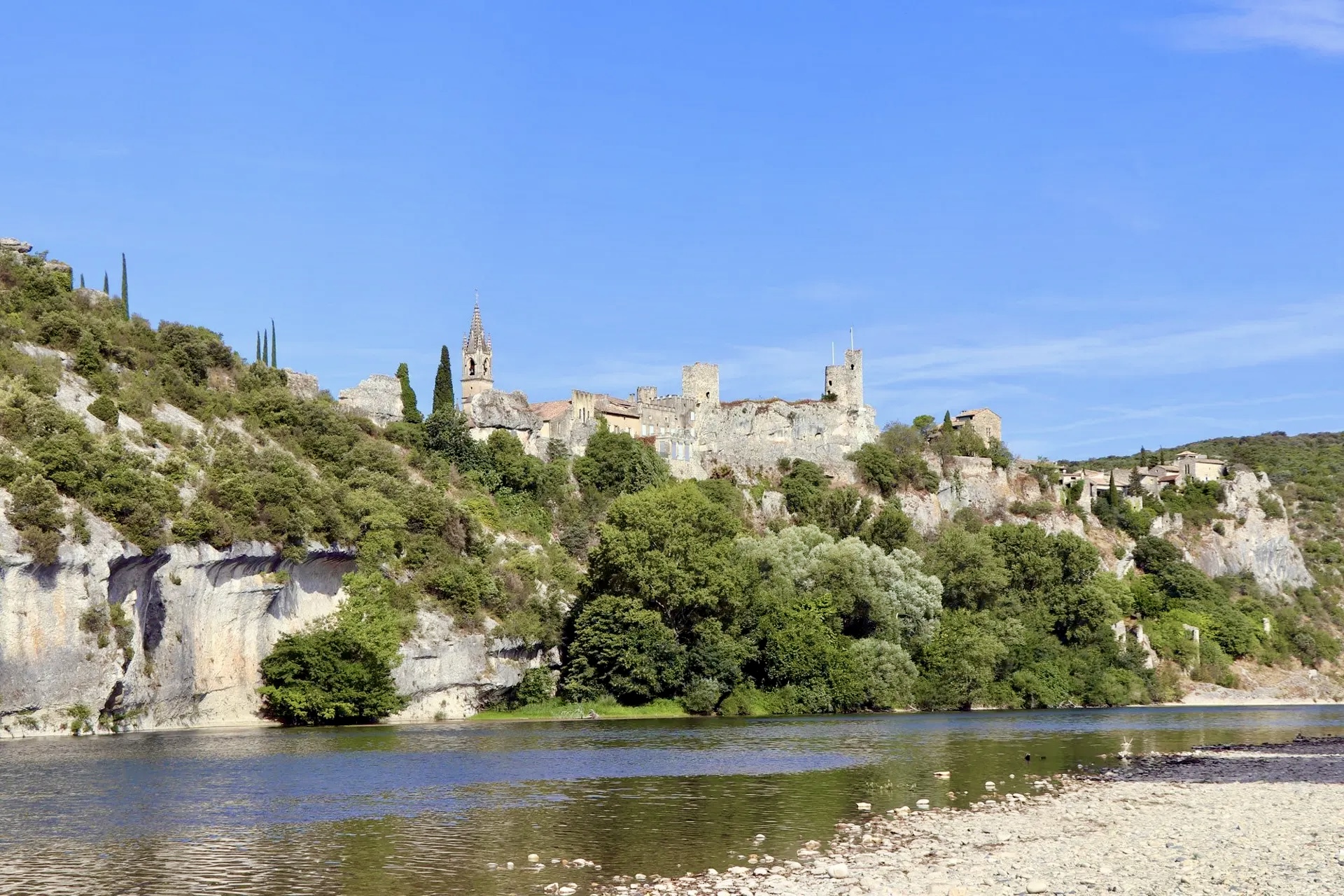
Pair it with Aiguèze, five minutes away — a perched village on the cliff edge, with a rampart walk looking straight down into the gorge.
Inside the Pont du Gard site itself, with the aqueduct in view from the terrace. The setting is remarkable; it is also, inevitably, busy.
Book an early or late sitting and see the monument at the quiet end of the day.
Restaurant on one side, tapas on the other — the garden side is the more relaxed and the more characterful. There is a shop, and they press their own olive oil.
Pair it with a stroll along the main street, the Chartreuse de Villeneuve and Fort Saint-André.
Excellent food, and a terrace that faces the Palais des Papes straight on. Ask for it when you book — it is the whole reason to come.
Pair it with the Palais, its gardens and the museum inside, then the Pont Saint-Bénezet.
Dinner in the former inner courtyard of a cloister. The room does most of the work, and the kitchen holds up its end.
A Roman aqueduct, Ice Age paintings, a papal palace, and a fortress behind the house — all within an hour.
The ruined 13th-century fortress on the rocky spur directly behind the house — you can walk to it from the garden gate. The marked trail climbs through vines and holm oak, passing the old chapel of Sainte-Madeleine, built in the 13th century by the Carthusians of Valbonne. From the belvedere at the top the view opens 360°: the Rhône directly below, Mont Ventoux to the east, the Alpilles to the south, and the Alps on a clear morning.
It is an old oppidum site, fortified because four provinces met here. Louis IX is said to have stopped at Gicon in 1248 on his way to the crusade at Tunis. In 1973 the Chusclan winegrowers bought the whole thing; they still work the twelve hectares of the old seigneurial vineyard and bottle a Château de Gicon cuvée from it.
Go early or after 18:00. There is no shade on the last stretch and no water anywhere on the walk — fill up before you leave. Good shoes; the path is stony.
Also here: marked mountain-bike trails, a picnic area, and an escape game in the ruins, Les Secrets du Château.

Small, unhurried, and yours for a week. Chusclan is one of the historic named crus of the Côtes du Rhône Villages appellation and has been known for its rosé since long before rosé was fashionable. The cooperative, Maison Sinnae, sits opposite the campsite and pours both the Chusclan and Laudun wines — a tasting there is genuinely worth your time, and the obvious first stop of the week.
An eighteen-hectare ancient town on the Lacau plateau, 264 m up, dominating the Rhône corridor — one of the most important archaeological sites in southern Roman Gaul. It was lived in for more than a thousand years, from the Iron Age in the 5th century BC through the Roman high empire and on into the Middle Ages.
You walk it like an open book: the earliest ramparts, a postern and tower, the Roman main gate, the foundations of the forum and the basilica, the craft quarter, the necropolises, and two later places of worship — a Romanesque oratory and the chapel of Saint-Jean. The path up runs through pine and oak, and the belvederes look out over the whole Gard rhodanien.
The local legend: at midnight on 24 June, Saint John's Eve, a chasm is said to open on the plateau and the Cabro d'Or — the golden goat, emblem of the sun at the solstice — leaps out of it.

A car-free village of pale stone on a rock spur, crowned by a 12th-century castle and reached by a medieval bridge — one of the Plus Beaux Villages de France. Below it, the Cèze has cut a limestone shelf nearly 500 m wide into a staircase of falls dropping up to 15 m, riddled with channels, rapids and giant's kettles, some of them more than 10 m deep.
Loop walk of about 3 km, easy, roughly 1½ hours. Leave the car in the car park at the bottom of the village. In July and August, arrive before 10:00 or the site is saturated.
Known as the little Venice of the Gard: a spring-fed canal runs the length of the main street between two rows of enormous plane trees, with cafés set out along the water and a 12th-century abbey church behind. It is a place for a long lunch and very little ambition. The Cèze nearby has easy swimming spots.

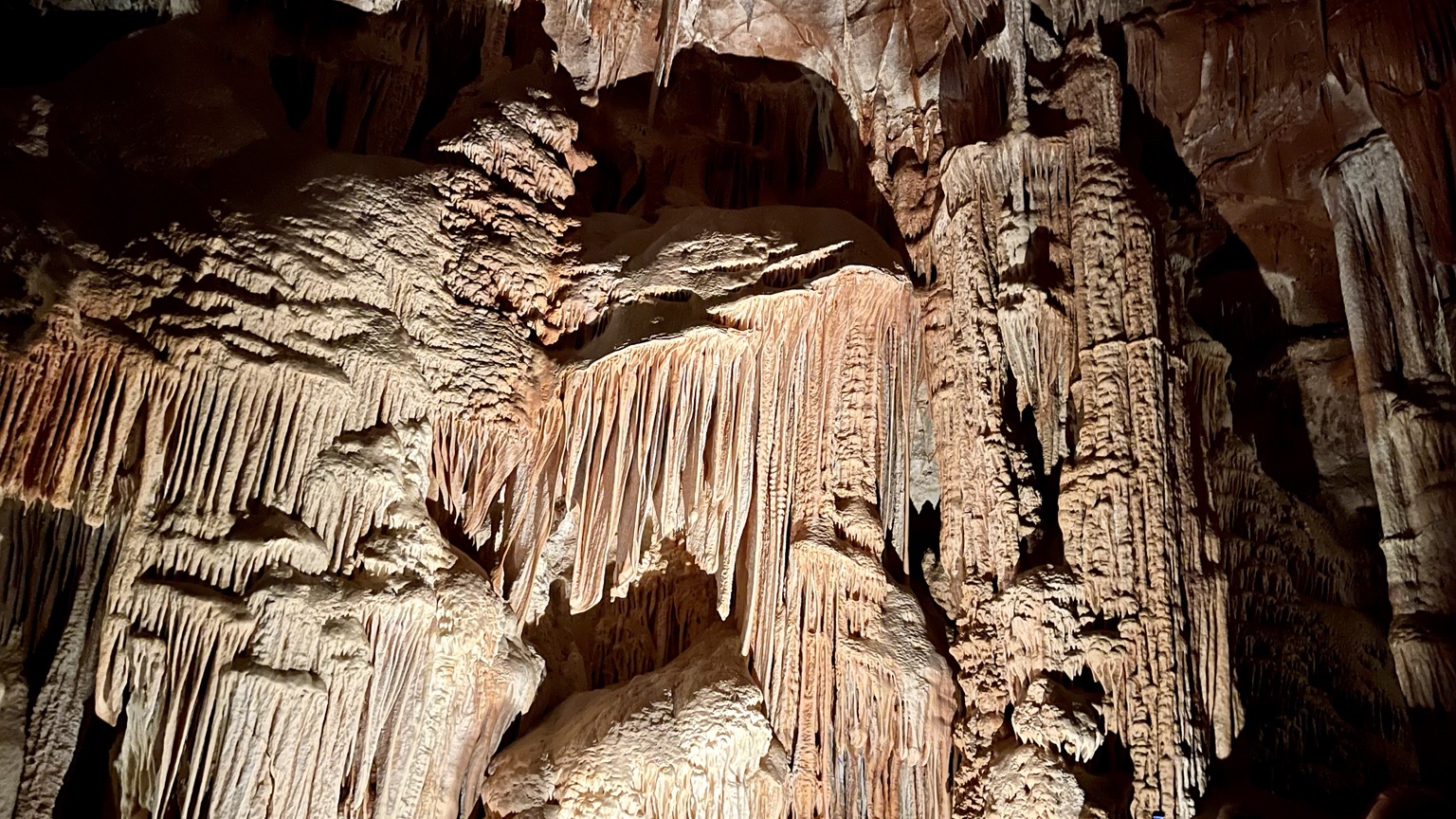
Opened to the public only in 2013, and staged like a piece of theatre — a single vast chamber of "crystal giants" lit and scored across twelve tableaux. The guided tour lasts about an hour. Open daily 10:00–19:00 in July and August.
Four other ways in: the panoramic belvedere alone (~€11, wheelchair accessible); the Grand Rappel, a 50 m abseil down the natural shaft to arrive through the ceiling (~€47.50, ages 12+); a two-hour caving trip through the hidden galleries (~€47.50, ages 10+); or a 20-minute flight in an aéroplume airship inside the cave (~€85.50). All bookable online, and worth doing.

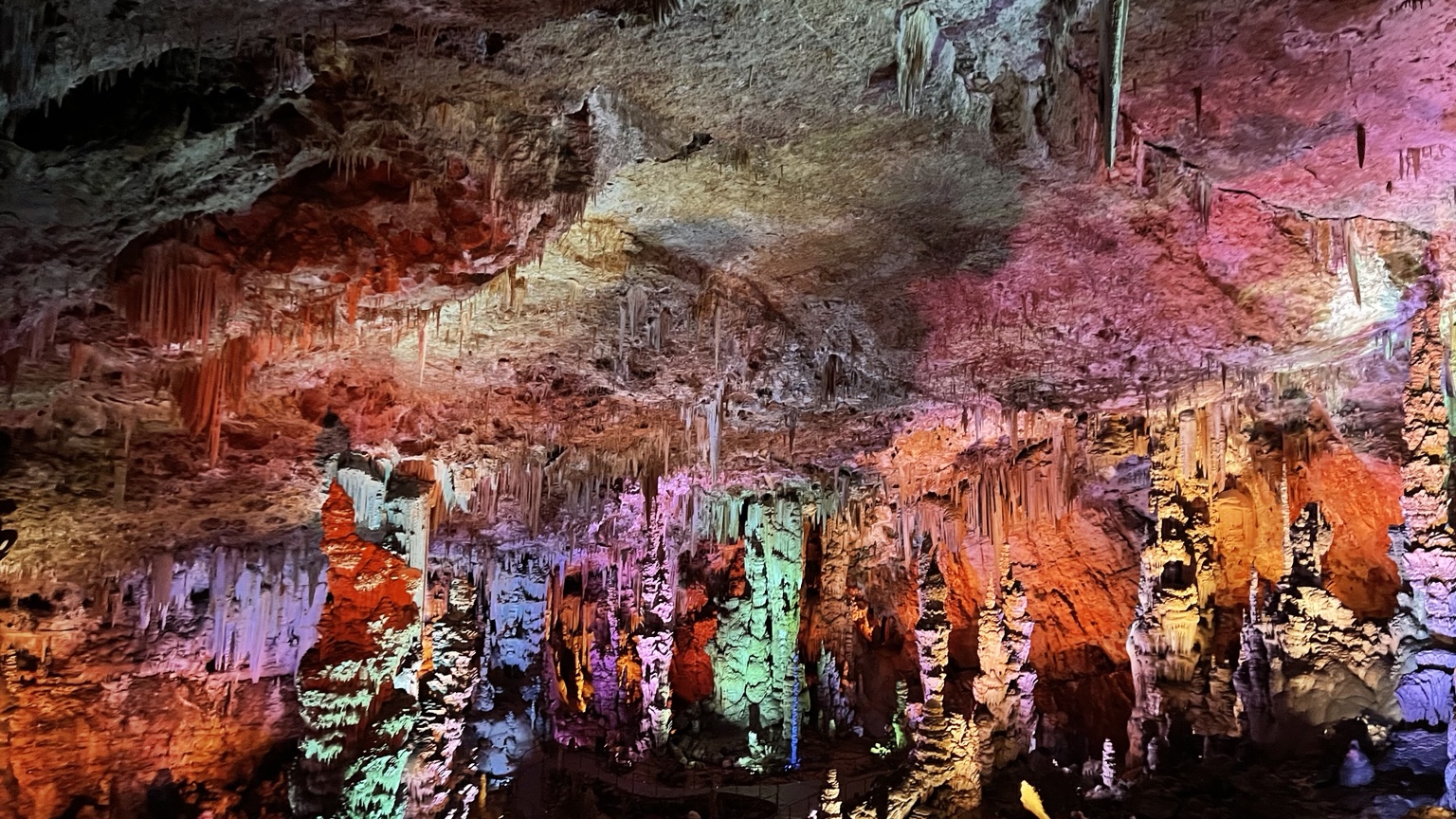
Cathedral-scale underground rooms with ceilings up to 55 m, forests of giant palm-tree stalagmites, translucent fistules and ochre drapery, shaped over a hundred million years and discovered in 1935. The one-hour guided tour is compulsory and must be booked; a lift brings you back up so there is no climb.
The ticket also includes the Cité de la Préhistoire next door, a genuinely good modern museum covering 350,000 years of human occupation of the region, with hands-on workshops — fire-making, flint, spear-throwing — during the school holidays.
It is 12 °C inside, all year. Take a jumper, however hot the car park is.

The largest replica of a decorated cave in the world, reproducing the paintings of the Chauvet cave — horses, lions, rhinoceroses, drawn 36,000 years ago, discovered in 1994, and now UNESCO-listed. The original will never be open to the public; this is as close as anyone gets, and it is astonishing rather than merely educational.
Entry covers a one-hour guided tour, the Galerie de l'Aurignacien, and the exhibitions, set in a 15-hectare wooded park with a restaurant. Open 08:30–20:30 daily in July and August.
Book online. It is the most visited site in the Ardèche and slots sell out in August. Arrive 30 minutes before your tour. No photography inside.
Keep your ticket: Chauvet 2, the Aven d'Orgnac and the Pont du Gard each give €1 per person off the other two within 7 days.

The classic run is the 24 km descent of the Ardèche gorges from Vallon-Pont-d'Arc to Saint-Martin-d'Ardèche, passing under the natural arch of the Pont d'Arc in the first kilometre — a full day, with rapids gentle enough for confident beginners. Shorter 8–12 km stretches are available on the same river, and the Cèze offers calmer, quieter paddling much closer to the house.
Book the day before in August, take the earliest departure you can, and bring more water and sunscreen than you think. Everything gets wet: dry bags are worth the few euros.

Another of the Plus Beaux Villages de France, balanced on a cliff at the mouth of the Ardèche gorges. Cobbled lanes, a saracen tower, vaulted passages, and a short rampart walk that ends looking vertically down at the river a hundred metres below. It takes forty-five minutes to see and is worth the drive for that alone — best combined with lunch at Saint-Martin-d'Ardèche just underneath.

The highest Roman aqueduct bridge still standing: three tiers of arches carrying water 48 m above the Gardon, built in the 1st century to supply Nîmes, and UNESCO-listed. What surprises most people is not the scale but the state of it.
Walking onto the site is free; you pay for parking, and that single €9 ticket per car also covers the museum, the film, the children's space and the Mémoires de Garrigue trail through the scrub. Guided tours climb the 80 steps to the third tier and walk the water channel itself (~€15). Open until 20:00 in July and August.
The river is the best part. The banks are a swimming spot and you can rent a canoe to paddle under the arches.
After dark: the monument is floodlit at dusk from 15 May to 20 September, with a 20-minute sound-and-light show at 22:30 from 4 July to 30 August. Go early in the morning or stay for the evening — midday in August is hot, exposed and crowded.

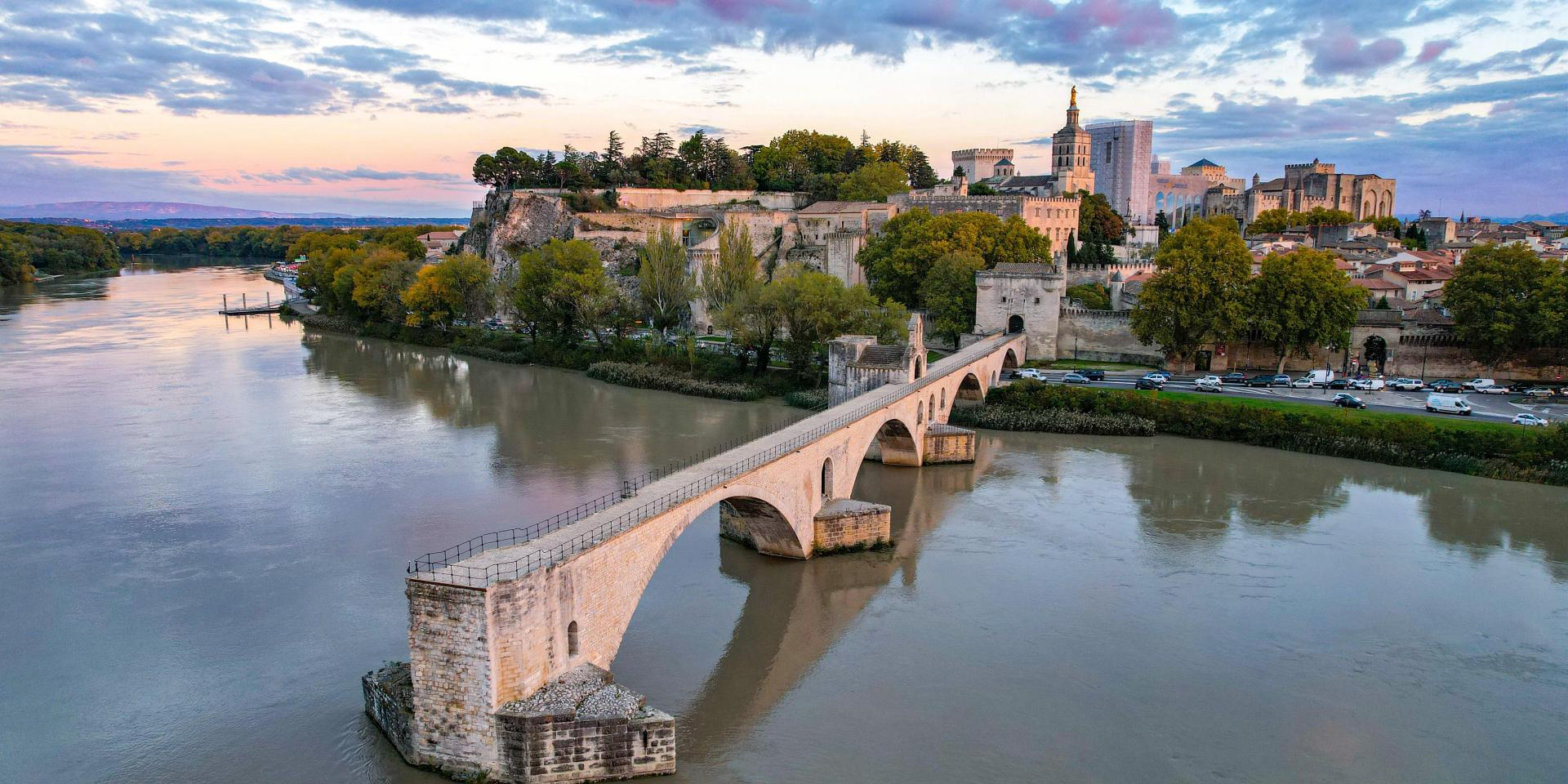
The largest Gothic palace in the world, and for most of the 14th century the seat of the papacy: nine popes ruled Christendom from these rooms. Fifteen thousand square metres of it — the equivalent of four Gothic cathedrals. Twenty-odd spaces are open, including the Chambre du Cerf, Clement VI's private room, painted with hunting and fishing scenes rather than saints, and the frescoes of Matteo Giovannetti in the Saint-Jean chapel. Finish on the terraces, which look over the courtyard, the city and the Rhône.
Then the Pont Saint-Bénezet — the bridge of the song — with four of its original twenty-two arches left, abandoned to the river's floods in the 17th century.
Allow 1½ to 2 hours for the palace, more if you take the HistoPad tablet and read everything. Book online in summer to skip a 30–45 minute queue.
In July the Festival d'Avignon takes over the city — thrilling, and completely full. Decide which of those two experiences you came for.

The quiet side of the river, where the cardinals built their houses. The Chartreuse du Val de Bénédiction is one of the largest Carthusian monasteries in France — cloisters, cells and gardens, and almost no crowds. Fort Saint-André, up the hill, has the finest view there is back across the Rhône to Avignon and the Palais.
The best-preserved Roman theatre in the western world, and the only one anywhere that still has its complete stage wall — 103 m long, 37 m high, which Louis XIV called the finest wall in his kingdom. Built under Augustus, it seated 9,000 and still does: the audio-guided visit is good, but if there is a concert or an opera on while you are here, go. The acoustics are the point.
Family animations run 4 July–13 August. The Arc de Triomphe at the north edge of town, carved with the establishment of the Pax Romana, is part of the same UNESCO listing and takes ten minutes.
You are living inside the appellation. Within half an hour: Chusclan and Laudun, both named Côtes du Rhône Villages, at Maison Sinnae five minutes away; Tavel, the only appellation in France that makes nothing but rosé, and a serious one; Lirac next door, red, white and rosé and consistently underrated; and across the river Châteauneuf-du-Pape, with its ruined papal castle above the village and its famous galets — the smooth stones that hold the day's heat and release it into the vines at night.
Cellars close for lunch, generally 12:00–14:00, and many close on Sunday. Two estates in a morning is a good pace; four is a wasted afternoon.

Le Sablas, 896 chemin de Force Mâle, 30200 Chusclan
+33 4 66 33 71 49
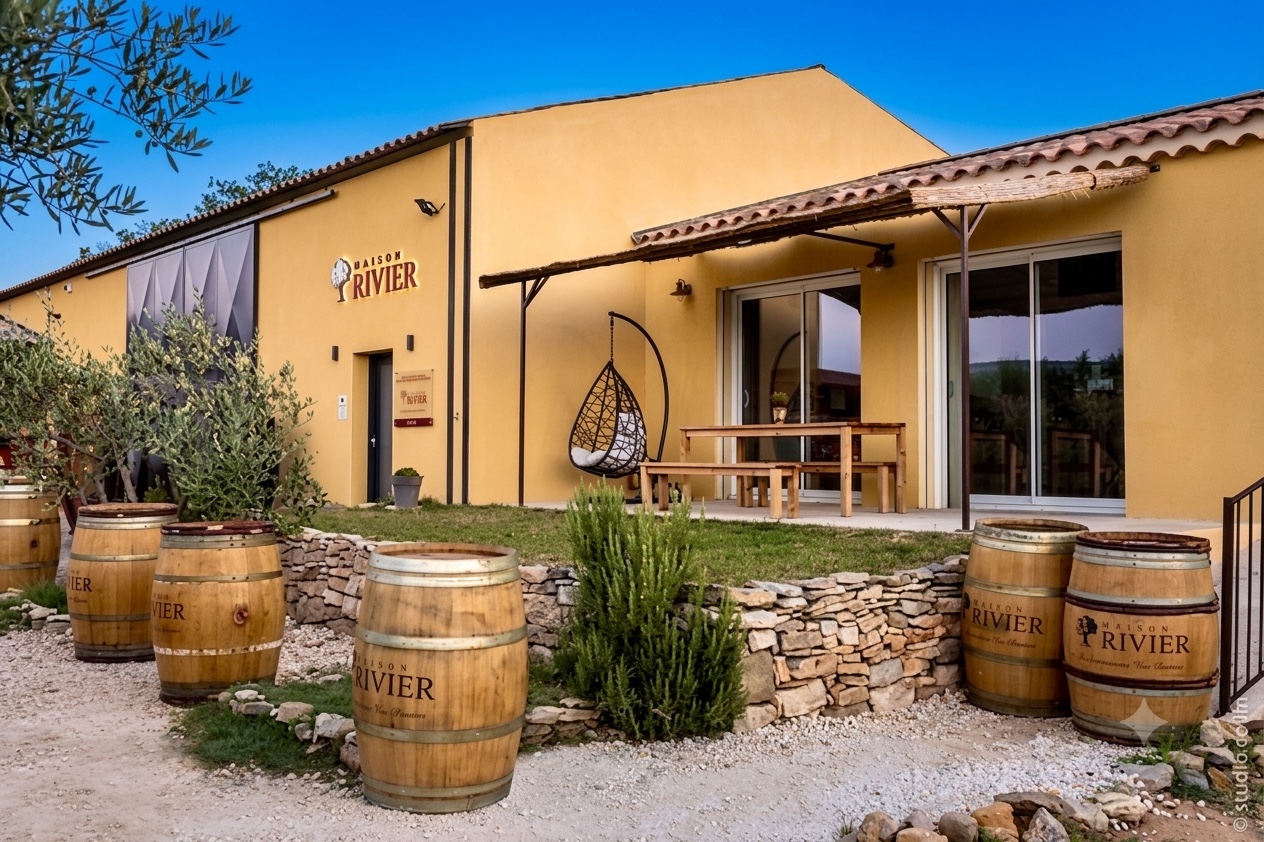
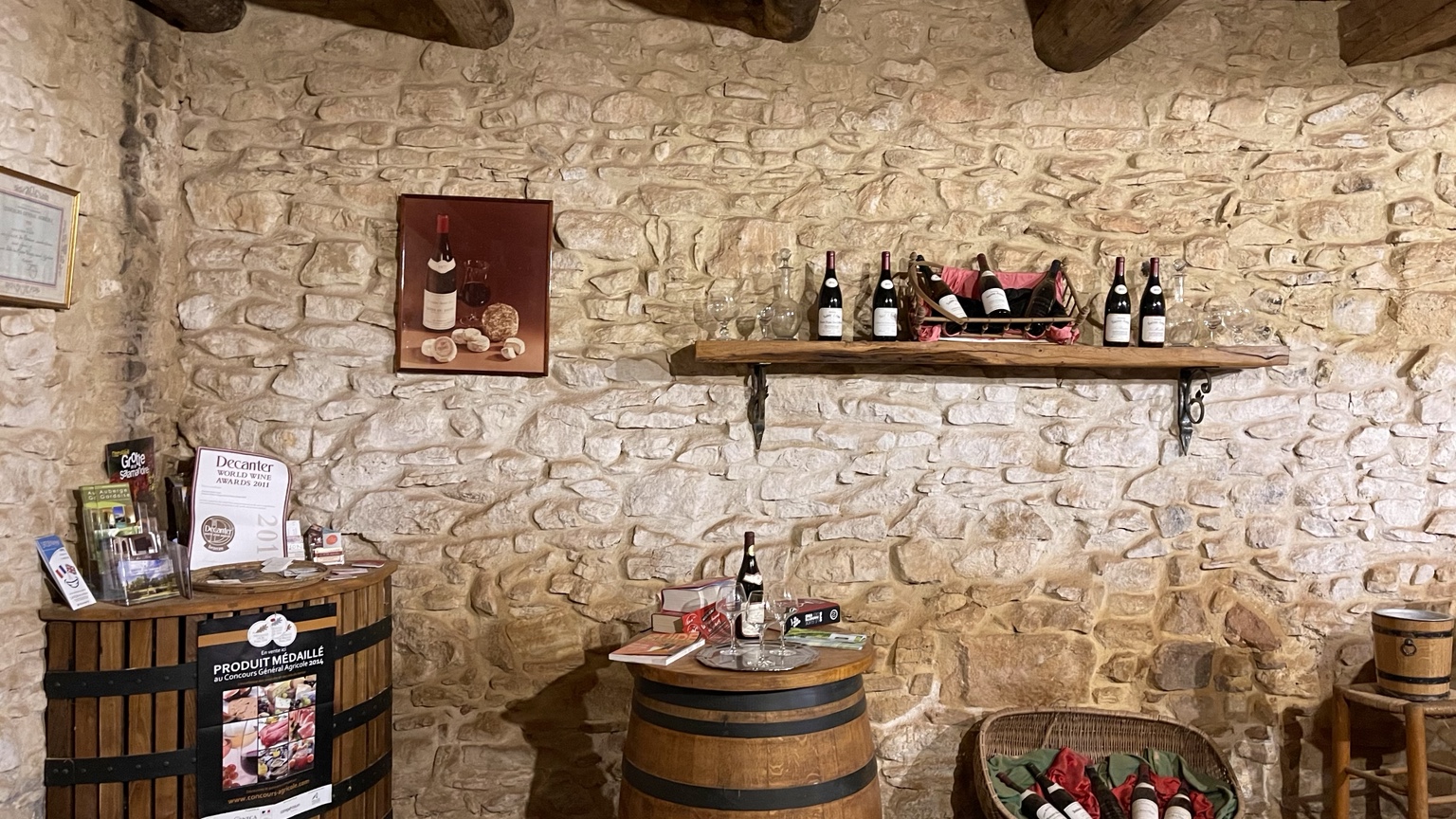
Six generations of the Rivier family have grown grapes and olives at Chusclan for more than a century. Claude has run the farm since 1981; his son Mathieu came back to it in 2016, and together they founded Maison Rivier to bottle under their own name at last. Vines and around a thousand olive trees across five communes, certified High Environmental Value at the top level.
They will walk you through their teaching vineyard first, so that you see the soil before you taste what it does with it — then pour the range, wines and their own olive oil together. The Chusclan cuvées, Augustin and Joseph, are the ones to ask for. Louis XIV drank the wines of this village at court, for what his sommeliers called their generosity and their finesse.
The closest by far — you could take the bicycles. Worth a call before you set off, and closed Sunday.

Les Cellettes, 30200 Saint-Gervais
+33 4 66 82 77 41
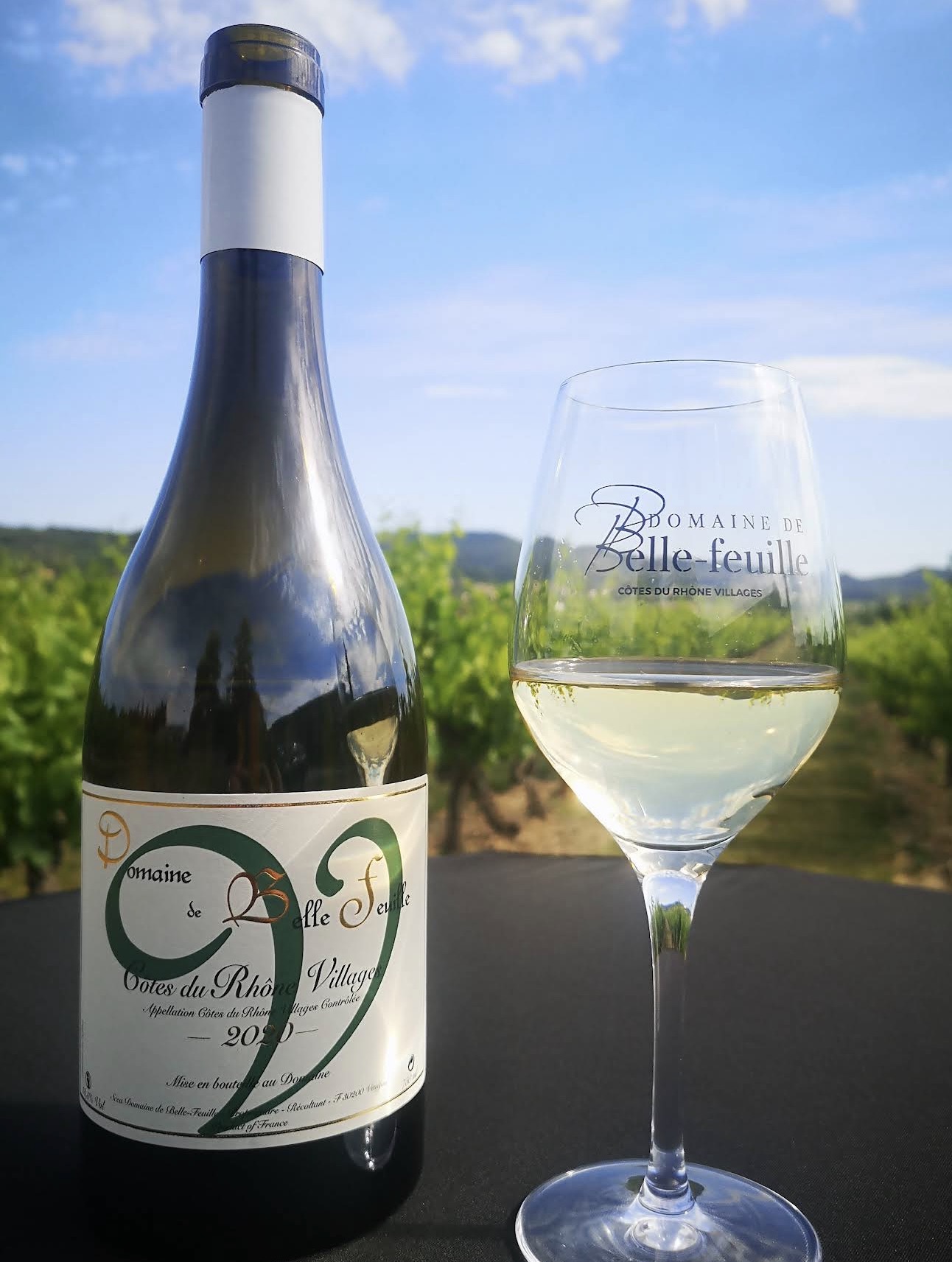
A former priory of the Carthusians of Valbonne, bought in 1965 by Guy and Anne Steinmaier — a family of Burgundian winegrowers whose line runs back to 1727. Thirty-five hectares on a plateau at 200 m, facing south-west towards the Cévennes, on sandstone and limestone raked by the mistral. The cellars beneath the house were built in the 1660s. Alain runs the estate today; his wife looks after visitors.
It is the most decorated name on this list: fifteen coups de cœur in the Guide Hachette, more than almost any other grower in the Rhône valley. They were the first here to plant syrah, mourvèdre and viognier successfully — the viognier from cuttings taken at Georges Vernay in Condrieu and at Château-Grillet, and it holds its own against the northern Rhône. The Saint-Gervais cuvée is half mourvèdre, unusual this far south, and that is what gives it a structure most of its neighbours never reach.
These wines need time. They are closed and tannic when young and open out beautifully after five to ten years — buy for the cellar rather than for tonight.
Telephone before you go. Mornings are short, 9:00 to 11:00 only, Saturday is by appointment, and visitors report the posted hours are not always reliable. Little English is spoken.

La Réméjeanne, Cadignac, 30200 Sabran
+33 4 66 89 44 51
The serious one. The Klein family — Alsace, then Tunisia, then Morocco — bought five hectares on the Réméjeanne hillside in 1960. It is now thirty-five hectares of slopes facing Mont Ventoux, ringed entirely by woodland with no neighbouring vineyard, planted on sandy limestone that gives the wines their freshness. Olive trees and fig trees grow among the vines. Certified organic since 2010, hand-harvested, native yeasts, very little intervention.
Every cuvée takes the name of a shrub that grows on the estate. Les Chèvrefeuilles, honeysuckle, is the supple one to drink this week. Les Arbousiers, strawberry tree, is denser and will keep five to seven years. Les Genévriers, juniper, is the Villages — structured, tannic, built for a cellar. Olivier Klein and Juliette Le Bris are the third generation, and they speak English.
Do this one and Rochemond together. They sit barely a kilometre apart at Cadignac, and one morning covers both comfortably.

1637 route de Cadignac, 30200 Sabran
+33 4 66 79 04 42
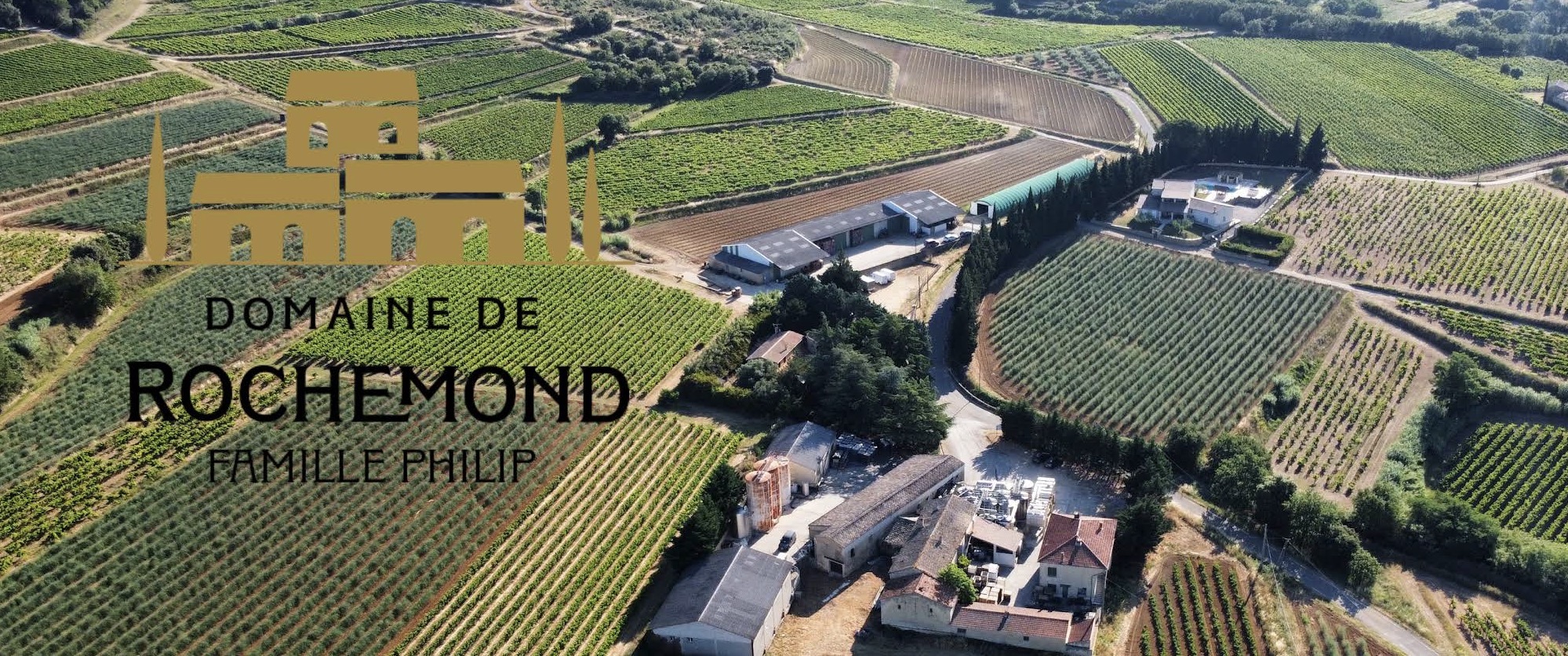
Five generations of the Philip family. Éric took the reins in 1995 and his son Sylvain joined him in 2010; between Rochemond and their second estate, the Grand Bécassier, they farm around 130 hectares scattered over the stony limestone and old clay-and-sand terraces around Sabran — one of the largest communes in the whole Côtes du Rhône.
Each variety is vinified separately and everything is a blend, chasing balance rather than power: Grenache, Syrah, Mourvèdre, Carignan and Cinsault for the reds, Clairette, Bourboulenc and Viognier for the whites. The Guide Hachette picks them up year after year, and the prices have never caught up with the reputation. Sylvain usually does the welcome himself, at length.
Weekdays only — the cellar is closed Saturday and Sunday.

1138 chemin de Font Nouvelle, quartier Prignan, 30200 Vénéjan
+33 4 66 79 27 33
Founded in 1974 just below Vénéjan — a petite cité de caractère with a restored windmill on the hill above — and given a second life in 2020, when Pierre Burrel and Jean-Philippe Manzoni took it over. A hundred and forty-two hectares now, across three appellations, including Côtes du Rhône Villages Chusclan from the galets roulés parcels out towards Saint-Étienne-des-Sorts.
The barrel cellar is built of stone from the Vers quarry, which regulates its own humidity — tasting and a look round it cost nothing, and the full tour of the cellars can be booked in advance. There is a fine-grocery counter as well, so you can leave with dinner and not only the wine. Ask for the Viognier and the Helly cuvée; Véronique and Élodie run the tasting room and are generous with their time and their local advice.
Open Mondays in summer, unlike most of the others — useful when everything else is shut.

Chemin de Maucoil, 84230 Châteauneuf-du-Pape
+33 4 90 83 72 75
The grand one, and worth crossing the river for. Vines have grown at Mont-Redon since antiquity — the Romans called the round hill below it Montem Rotundum — but the modern estate starts in 1923, when Henri Plantin bought two and a half hectares of scrubland and then, alongside Baron Le Roy, helped invent the Châteauneuf-du-Pape appellation itself. His descendants, now the fourth generation, cleared the plateau and built it into a hundred hectares in a single block.
It stands on the highest terrace of the appellation, looking across to Mont Ventoux, the Dentelles de Montmirail and the ruined papal castle. All three of Châteauneuf's classic soils are here — the rolled pebbles of the plateau, the compacted sands, the urgonian limestone — and the red is blended from thirteen grape varieties. They make Lirac and Côtes du Rhône too, at a fraction of the price.
Free entry and free tasting, no appointment, seven days a week. The 2½-hour VIP visit through the three levels of the cellar is around €65 and must be booked — cancellations inside 48 hours are charged.